
Getting ready for your guided walking tour in Japan
Getting ready for your walking tour in Japan will help you approach the journey with confidence and enjoy each day on the trail.
This guide covers training, reaching your tour starting point, organising currency and cash, and packing the clothing and equipment you will need.
Training for your walking tour in Japan
Begin training early
Both the Kumano Kodo and Nakasendo are active multi-day walks, so preparation should begin well before departure. We recommend allowing at least two months, and longer if you are not already accustomed to regular walks over hilly terrain.
There is no substitute for walking. The most effective preparation is to gradually replicate the distance, terrain and consecutive walking days you will experience during the tour. Review your itinerary together with the daily distances and elevation profiles, then progressively increase the duration and difficulty of your walks.
Build endurance for consecutive walking days
We suggest completing at least three two-hour walks each week. At least one should include repeated hills or stair climbing for sustained periods of around 15 minutes.
As your fitness develops, introduce occasional longer walks and gradually build towards walking for six or seven hours over hilly terrain. Practise walking on consecutive days as well. Recovering overnight and walking again the following morning is an important part of preparing for a multi-day tour.
For walkers in Melbourne, the 1000 Steps in Ferntree Gully is a useful location for hill training. However, any suitable hill or staircase can help. Several flights of office stairs may not be as scenic, but they can still provide valuable training.
Train with your walking equipment
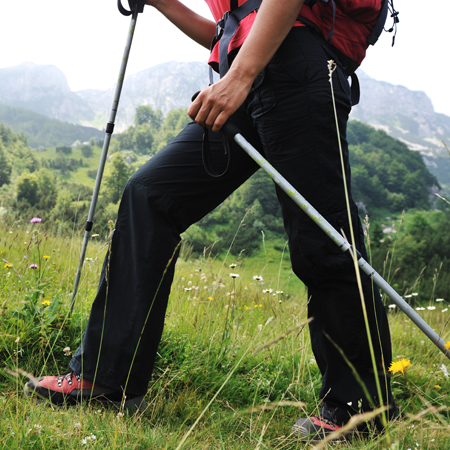
Complete your training walks in the hiking boots and clothing you intend to bring. Carry your day pack lightly loaded and use your walking poles so you become familiar with your equipment.
Longer training walks will reveal issues that may not be noticeable during a short walk. Check whether your boots remain comfortable, whether clothing seams rub and whether you can reach your water bottle and other essentials easily. Your hiking boots should be thoroughly worn in before the tour.
Prepare for hills, uneven terrain and wet weather
Strength and balance exercises can help prepare your body for uneven surfaces, repeated climbs and long descents. If you are beginning a new exercise program or have concerns about your health, mobility or an existing injury, seek advice from your doctor, physiotherapist or exercise professional.
Do not let rain interrupt every training walk. Wet-weather training provides an opportunity to practise on slippery surfaces and check that your jacket, trousers, footwear and day pack protection perform as expected.
The more closely your preparation resembles the walking conditions of your tour, the more comfortable and confident you are likely to feel on the trail.
Getting to your tour starting point
Our Kumano Kodo and Koyasan tours begin in Osaka, while our Nakasendo and Kiso Valley tours begin in Nagoya. We meet at the hotel where we stay on the first night of the tour.
Once your booking is confirmed, we will provide the hotel name and meeting time. We are also happy to help you plan your journey to the starting point and your onward travel after the tour.
The travel times below are approximate and do not include waiting time, transfers or travel between the station and your hotel. Check current routes and timetables before travelling.
Getting to Osaka for the Kumano Kodo and Koyasan tour
Kansai International Airport (KIX) is Osaka’s principal international airport. Itami Airport (ITM), sometimes called Osaka International Airport, is closer to central Osaka and mainly serves domestic flights.
- From Kansai International Airport:
Allow approximately 35 to 70 minutes by train to central Osaka, depending on the service and destination. Airport limousine buses also operate to several areas of the city. - From Itami Airport:
Central Osaka can usually be reached in under an hour by airport bus, taxi or a combination of monorail and train. - From Kyoto:
Frequent train services connect Kyoto with Shin-Osaka and central Osaka. Allow approximately 15 to 30 minutes to reach a major Osaka station, depending on the service. - From Tokyo:
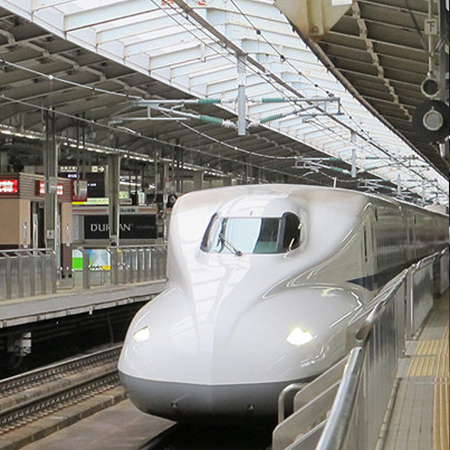
Allow approximately two and a half to three hours by Shinkansen to Shin-Osaka, depending on the service.
Travellers arriving at Narita or Haneda airports can travel into central Tokyo and continue by Shinkansen, or connect with a domestic flight to Kansai International Airport or Itami Airport.
Getting to Nagoya for the Nakasendo and Kiso Valley tour
Chubu Centrair International Airport (NGO) is the closest airport to Nagoya.
- From Chubu Centrair International Airport:
The fastest train reaches Nagoya Station in approximately 28 minutes. - From Tokyo:
Allow approximately one hour and 40 minutes by Shinkansen. - From Kyoto:
Allow approximately 35 to 40 minutes by Shinkansen. - From Kansai International Airport:
Allow approximately two to two and a half hours by train, generally changing at Shin-Osaka. - From Itami Airport:
Travel by airport bus to Shin-Osaka and continue by Shinkansen. Allow approximately one and a half to two hours.
Travellers arriving at Narita or Haneda airports can continue through central Tokyo by Shinkansen or take a domestic flight to Chubu Centrair International Airport.

Currency and cash in regional Japan
Credit cards and contactless payments are widely accepted in Japan’s cities, but cash remains important in smaller towns and regional areas. Some traditional inns, cafés, shops and other businesses along our walking routes may only accept cash.
We recommend arriving with sufficient Japanese yen for the tour rather than relying on being able to withdraw money along the way.
When you may need cash
Your itinerary identifies the meals included in your tour. You will need cash for meals that are not included, drinks other than the water or tea provided with meals, walking snacks and personal purchases.
Vending machines are common in Japan, including in some rural areas, and coins or smaller notes are useful for these and other modest purchases. There are relatively few opportunities to shop along the walking routes, although you may wish to purchase souvenirs in the larger towns.
Using ATMs in Japan
Overseas-issued cards can often be used at Seven Bank ATMs, commonly found in 7-Eleven stores, and at Japan Post Bank ATMs. However, not every card will work in every ATM, and withdrawal limits, operating hours and fees may apply.
ATM access is limited along the walking routes, and there may be no opportunity to exchange foreign currency once the tour is underway. Although we normally have an opportunity to visit an ATM at the beginning of the tour, you should not rely on this as your only source of cash.
Before travelling, confirm that your card can be used in Japan and check the applicable overseas transaction and ATM withdrawal fees with your card provider.
How much cash should you bring?
The amount you need will depend on the meals included in your itinerary, your spending preferences and your travel plans before and after the tour.
Our tour packing lists include a suggested amount of cash to bring. If possible, arrive with enough Japanese yen for the tour and for your journey to the destination that follows it.

What to pack for your walking tour
Packing thoughtfully will help you remain comfortable and prepared throughout your tour. Because the walking conditions and luggage arrangements differ, we provide a separate packing list for each tour.
Download the relevant checklist below and review it well before departure so you have time to test your footwear, clothing and walking equipment.
Kumano Kodo and Koyasan tour
View and download the packing checklist prepared for our Kumano Kodo and Koyasan tour.
Nakasendo and Kiso Valley tour
View and download the packing checklist prepared for our Nakasendo and Kiso Valley tour.